
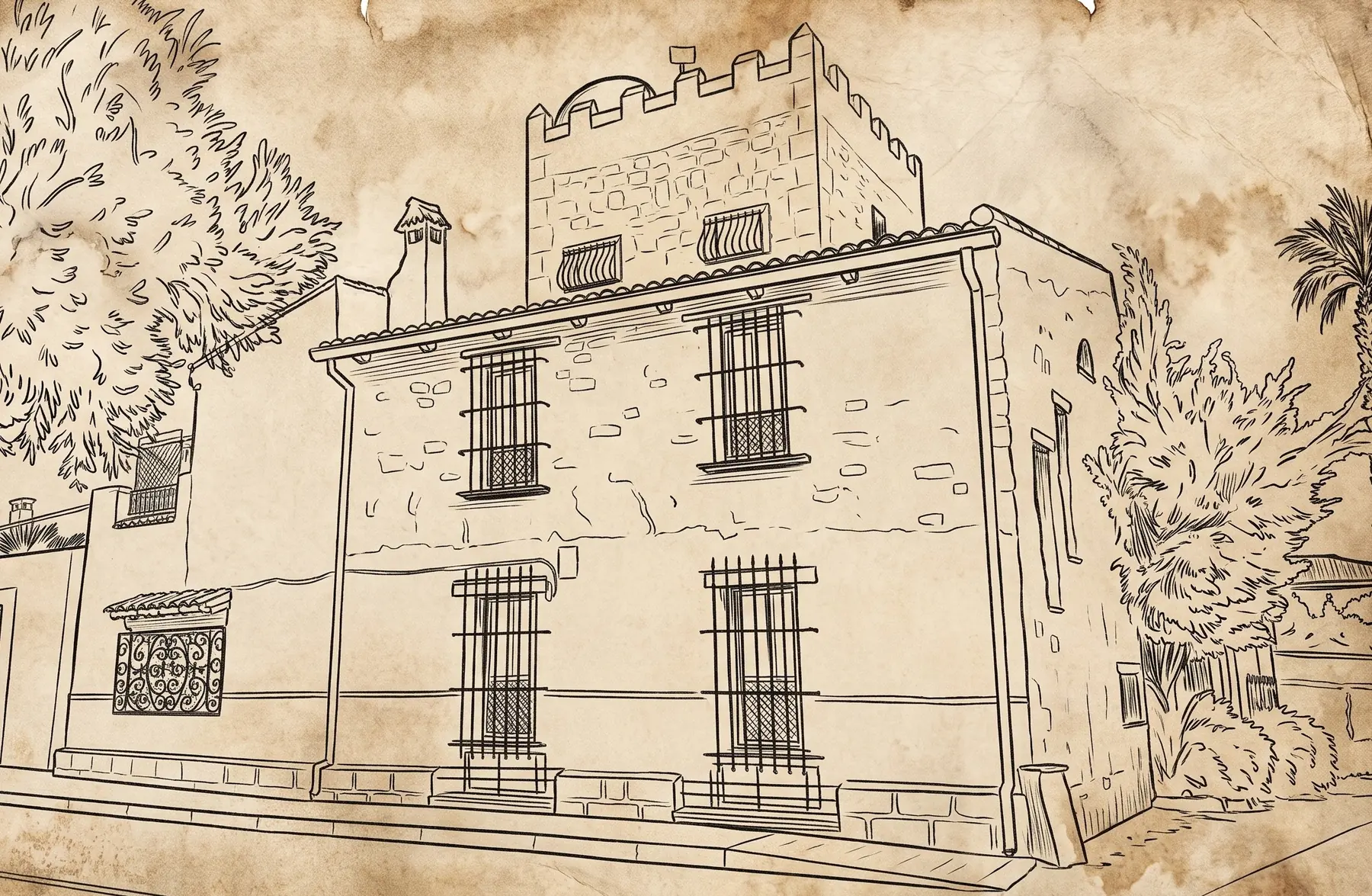
The Huerta Towers
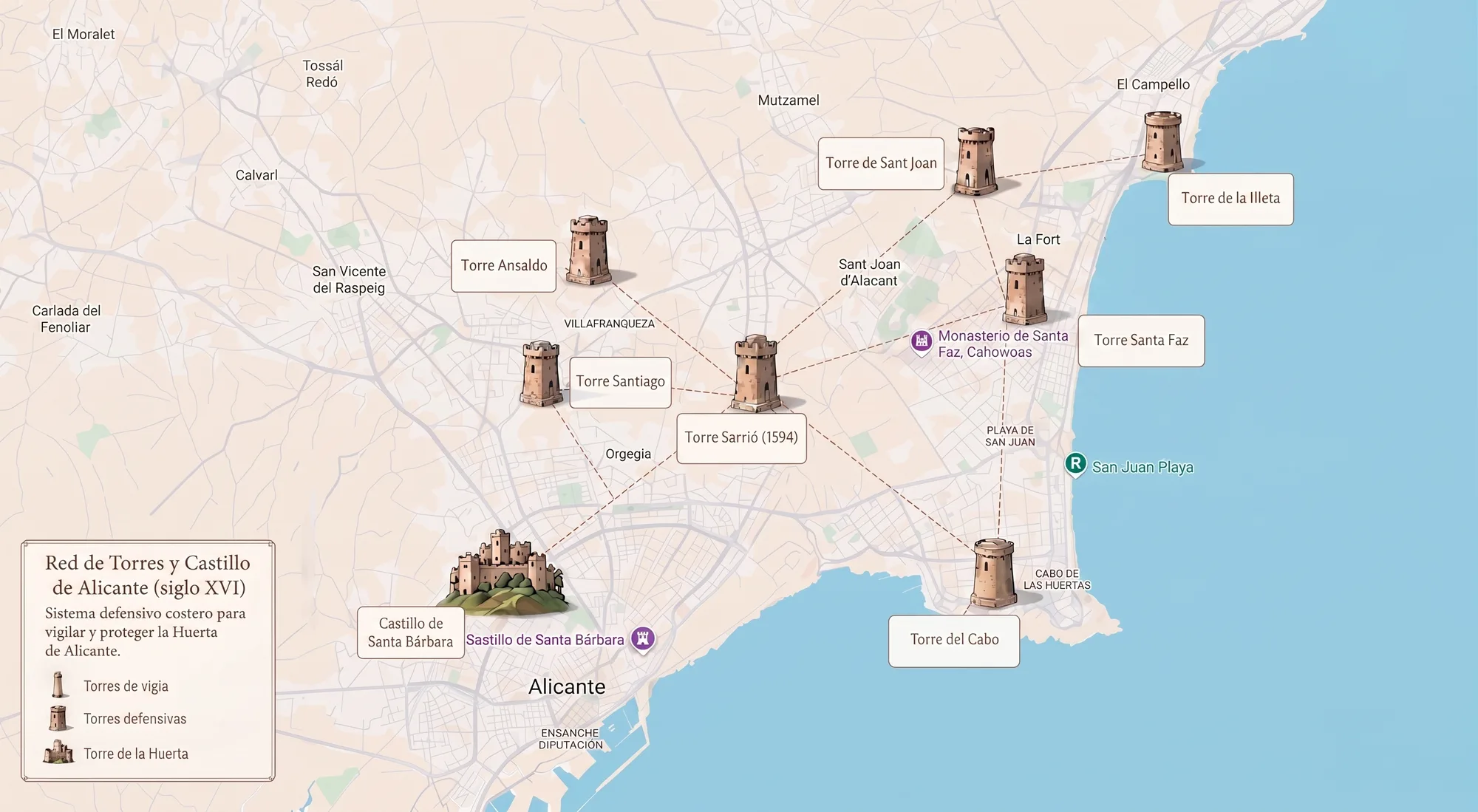
Between the 15th and 17th centuries, up to 43 towers were built in the Huerta of Alicante for watch, refuge and defence; 25 survive today. They were not isolated fortresses, but an interconnected defensive network.
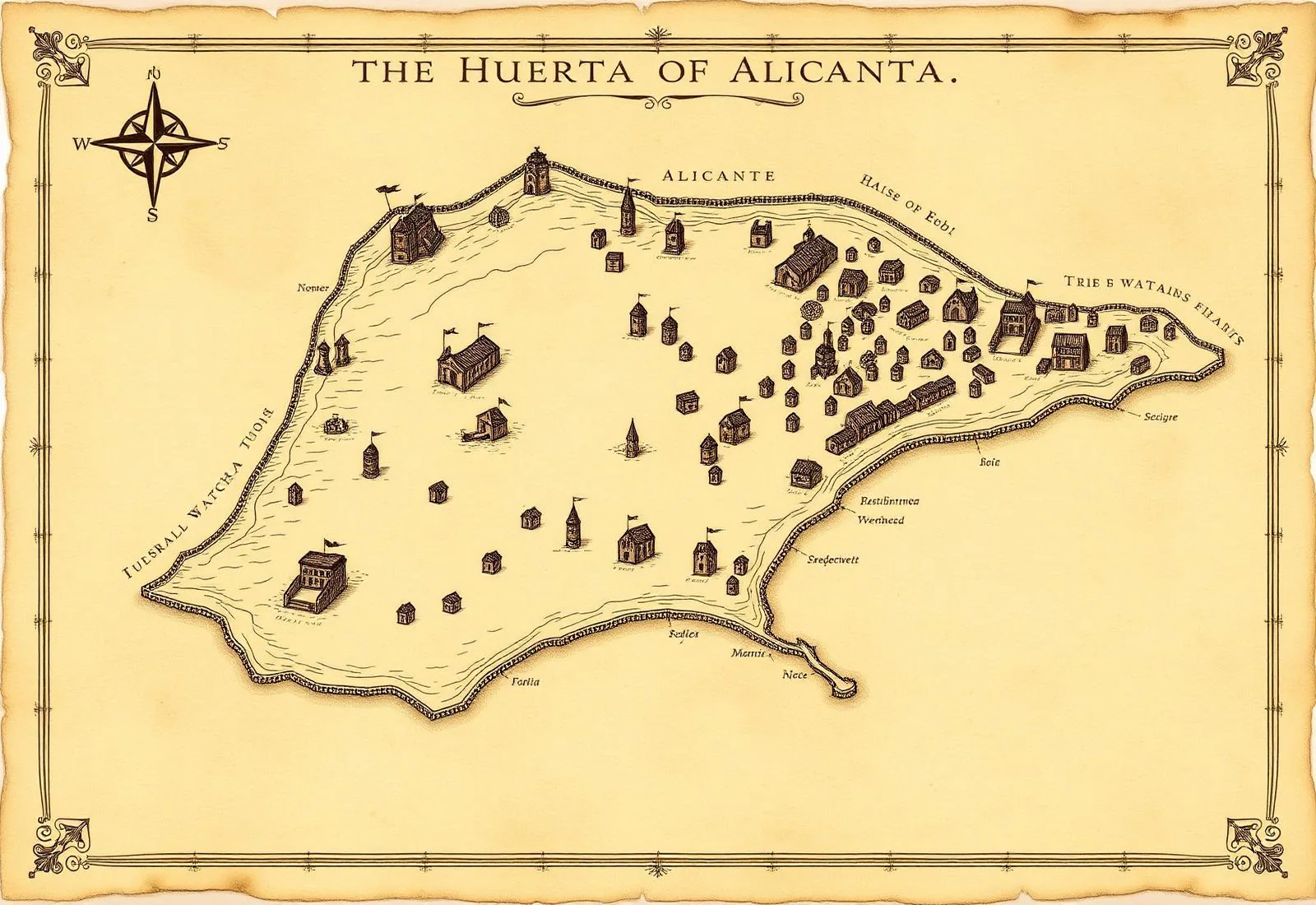
Illustrated map of the Huerta of Alicante and its 23 defensive towers (Source: Topoguide of the Huerta Towers · City Council of Alicante / Antonio Campos Pardillos).
The Huerta Towers at Sunset
A photographic collection of the 20 defensive watchtowers ordered according to the official numbering of the historical reference map.
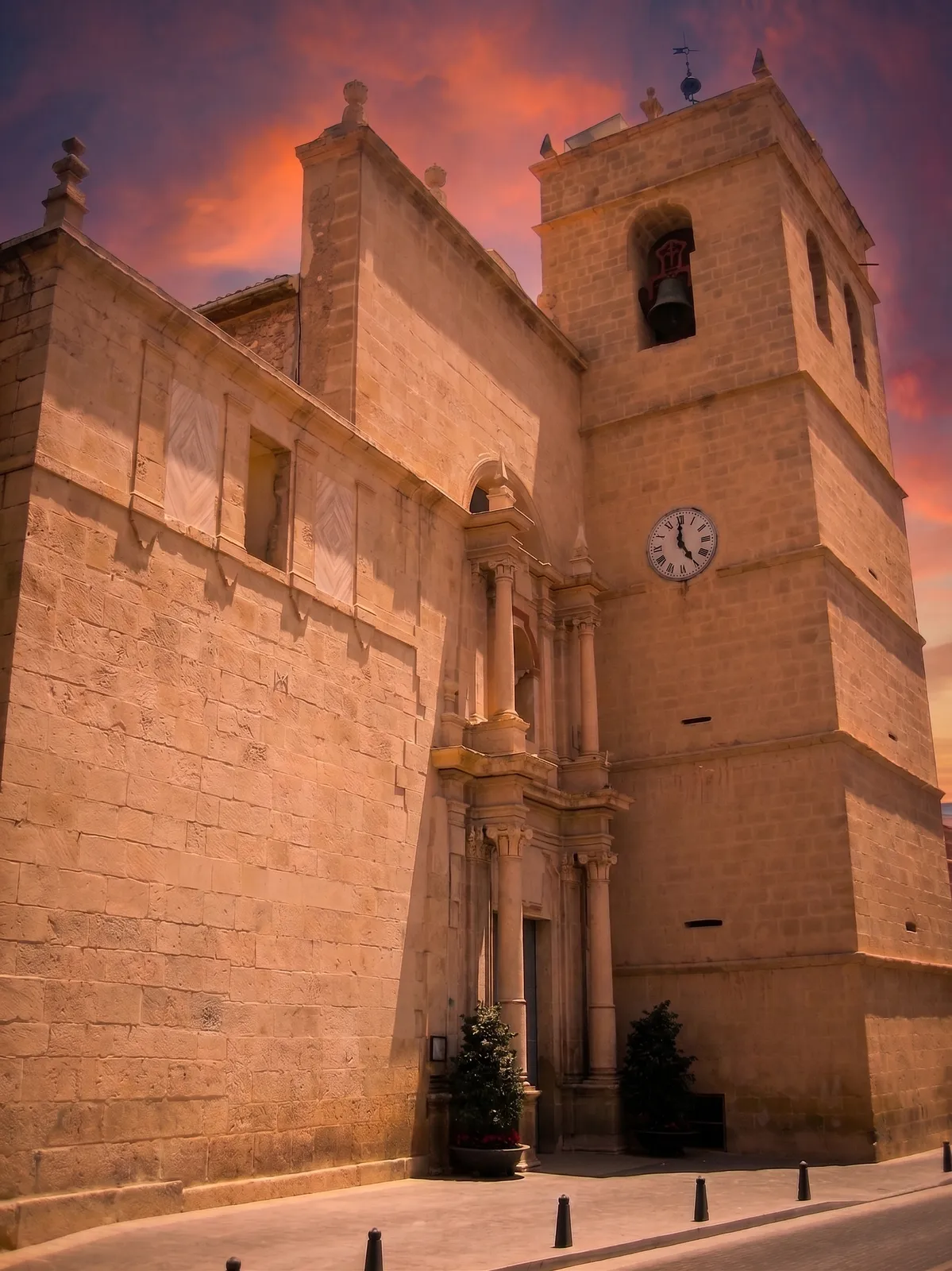
Torre de Sant Salvador / Mutxamel
Partida de Mutxamel
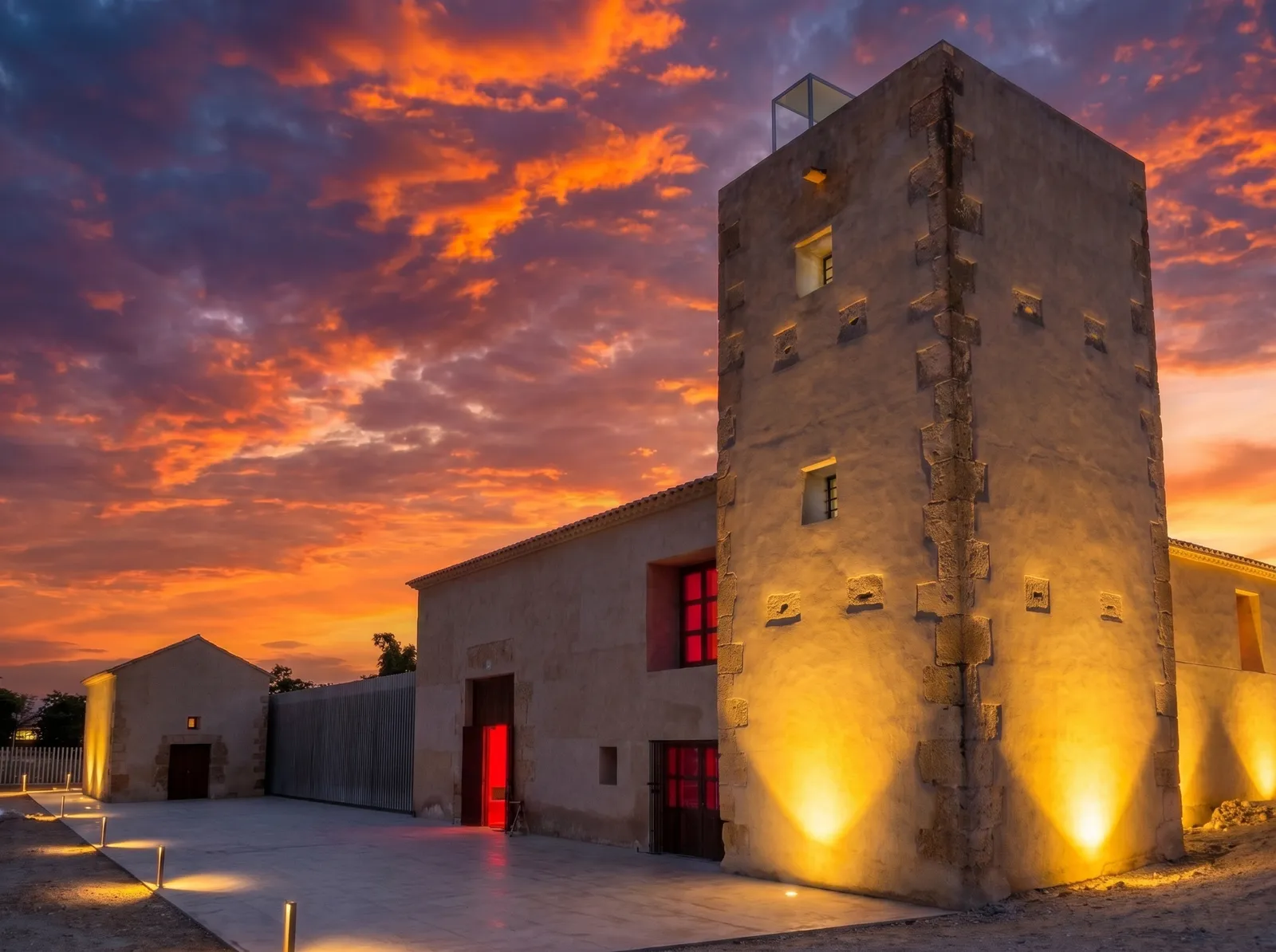
Torre Ansaldo
Partida de Sant Joan d'Alacant
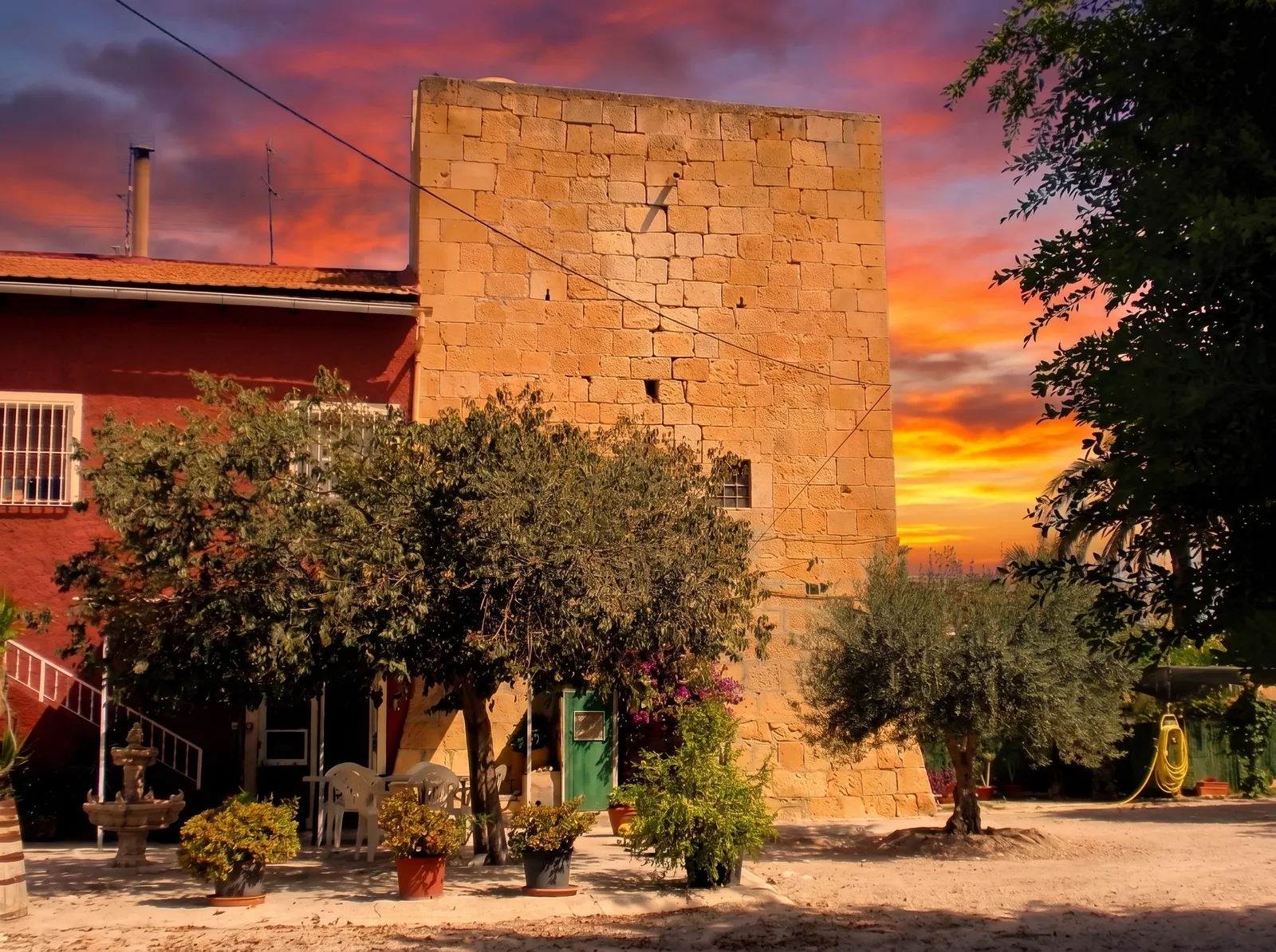
Torre Salafranca
Partida de la Huerta
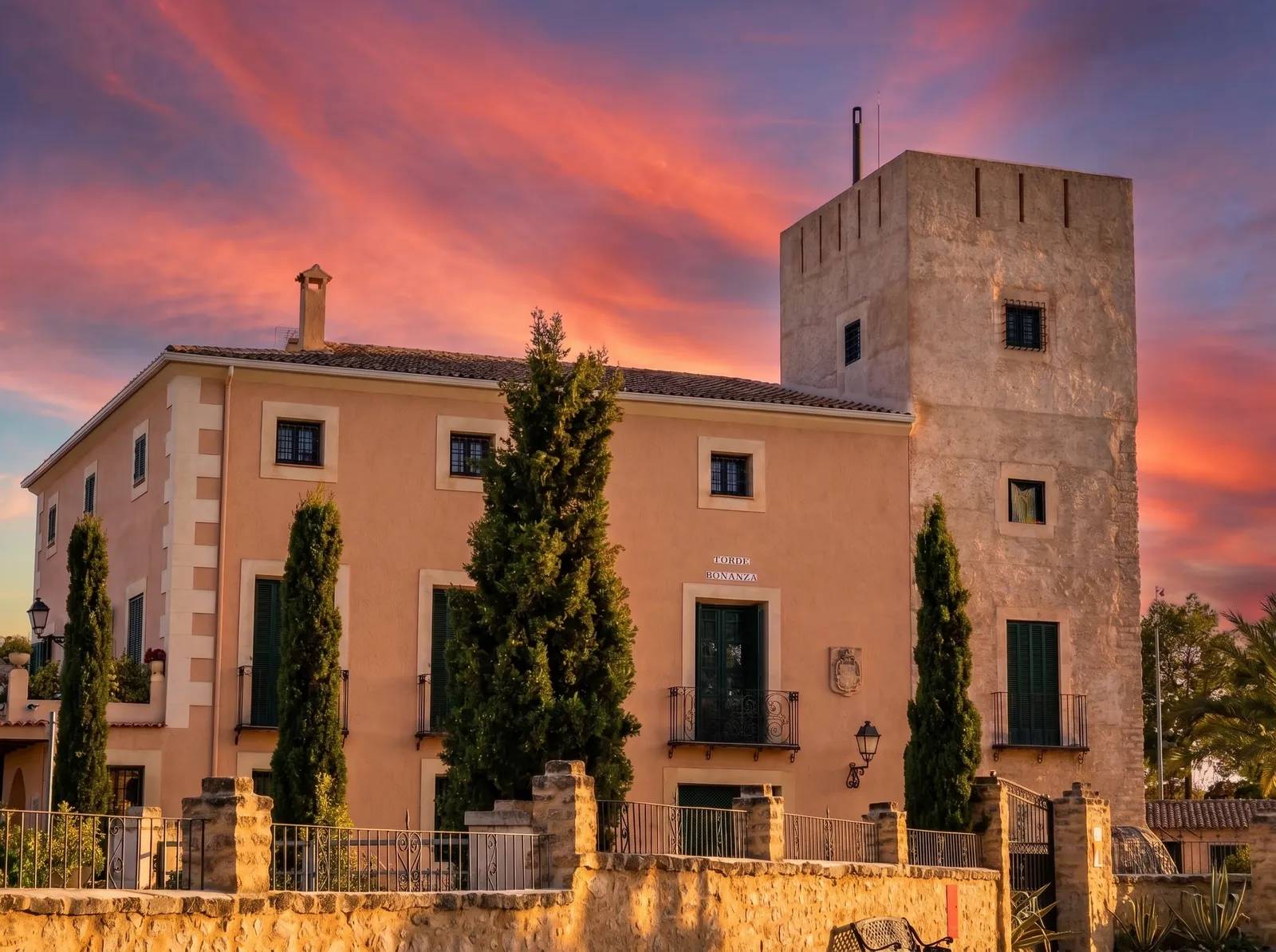
Torre Bonanza
Camí del Campello
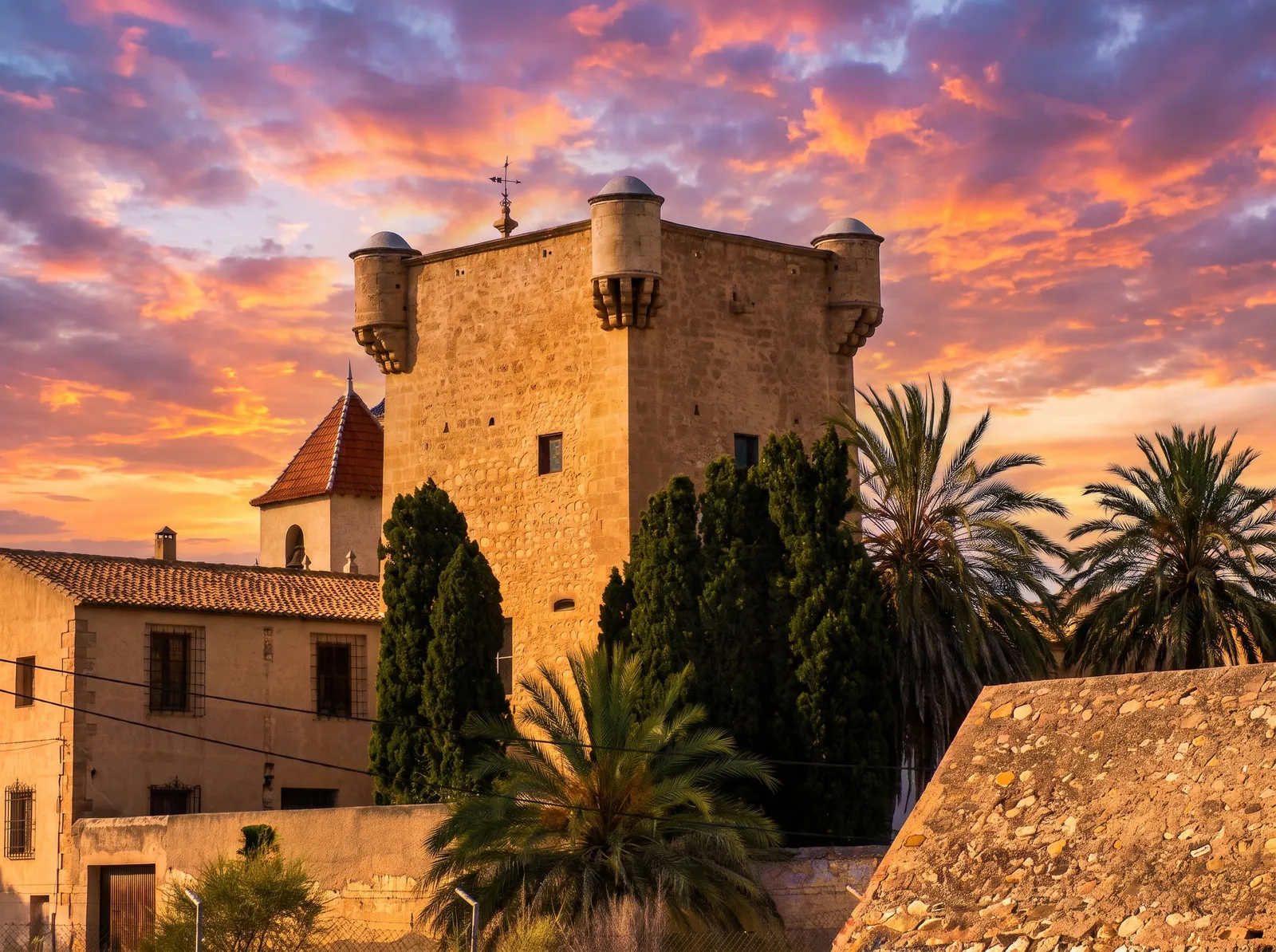
Torreó del Monasterio de la Santa Faz
Monasterio de la Santa Faz
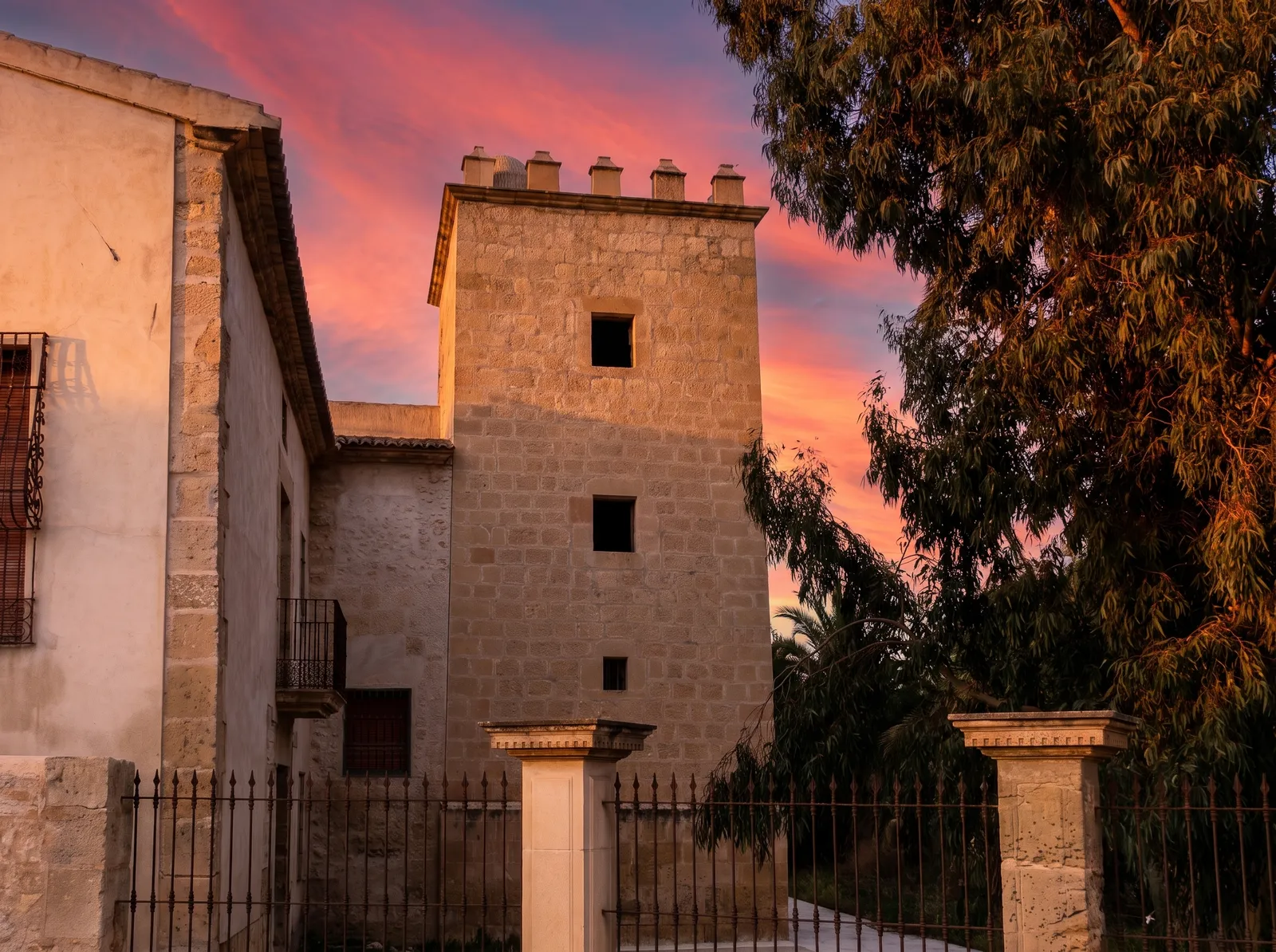
Torre Soto
Partida de la Huerta
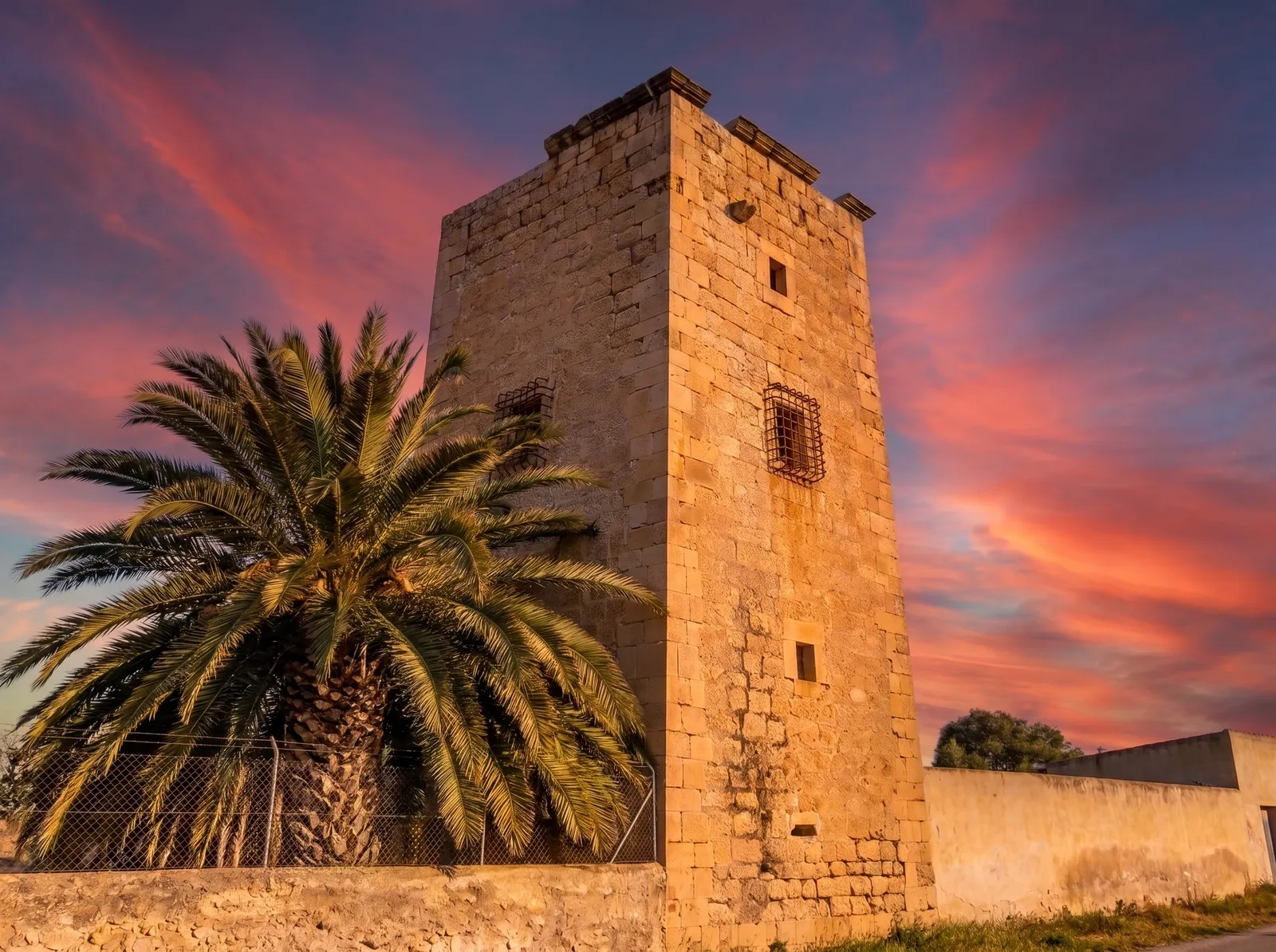
Torre Villagarcía
Partida Fabraquer
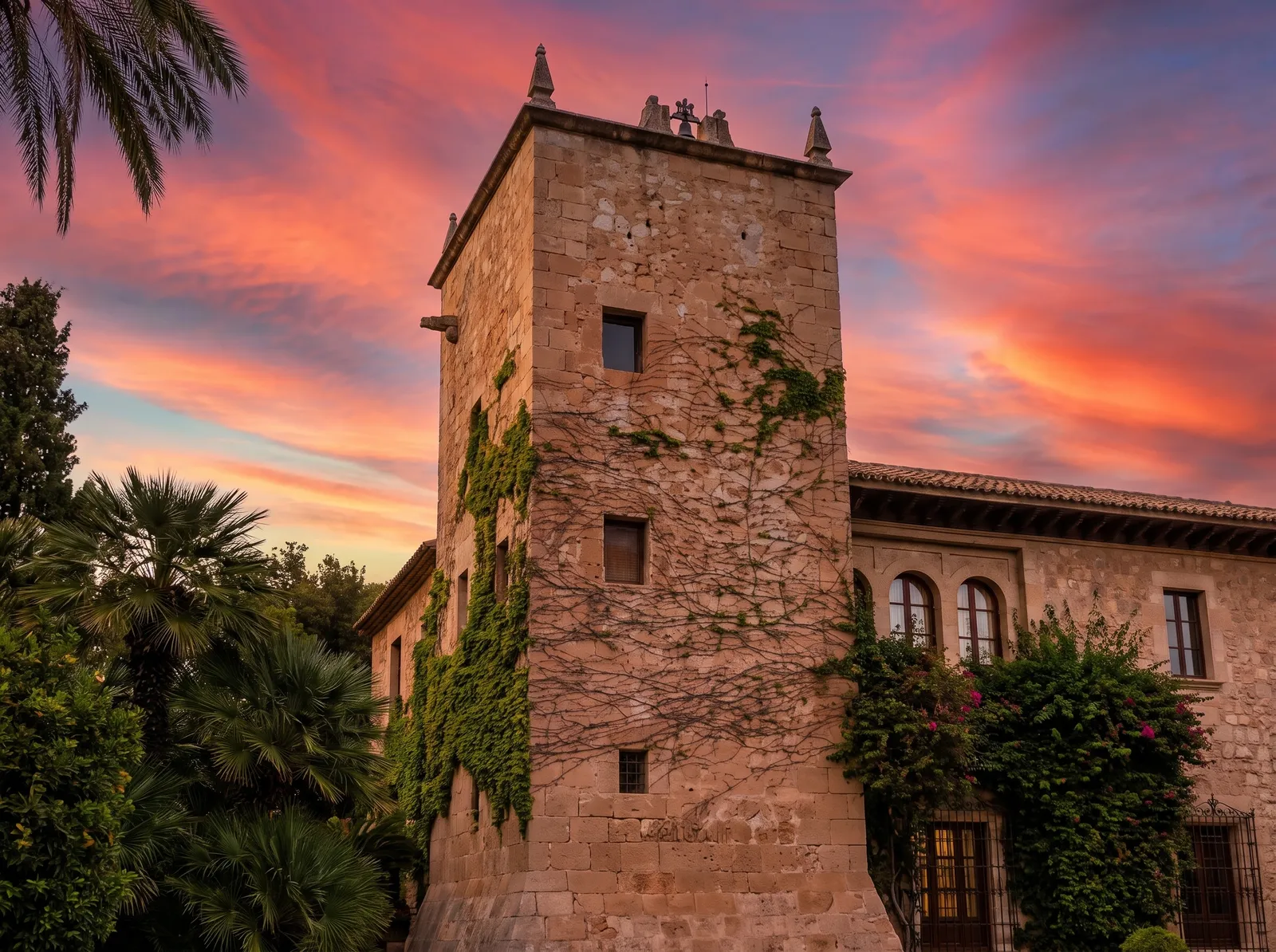
Torre Alameda / Nicolau
Partida de la Condomina
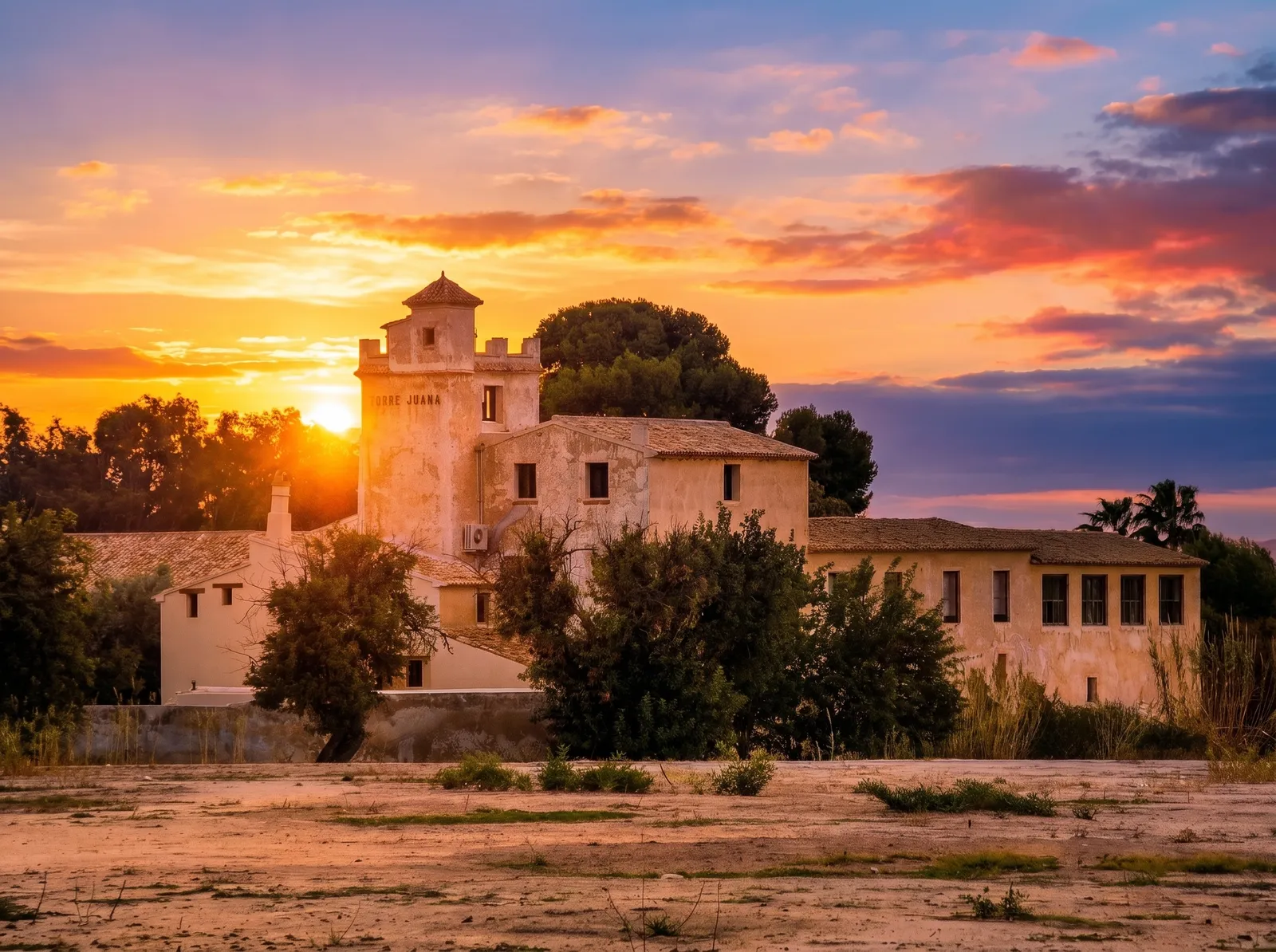
Torre Juana
Partida de la Huerta
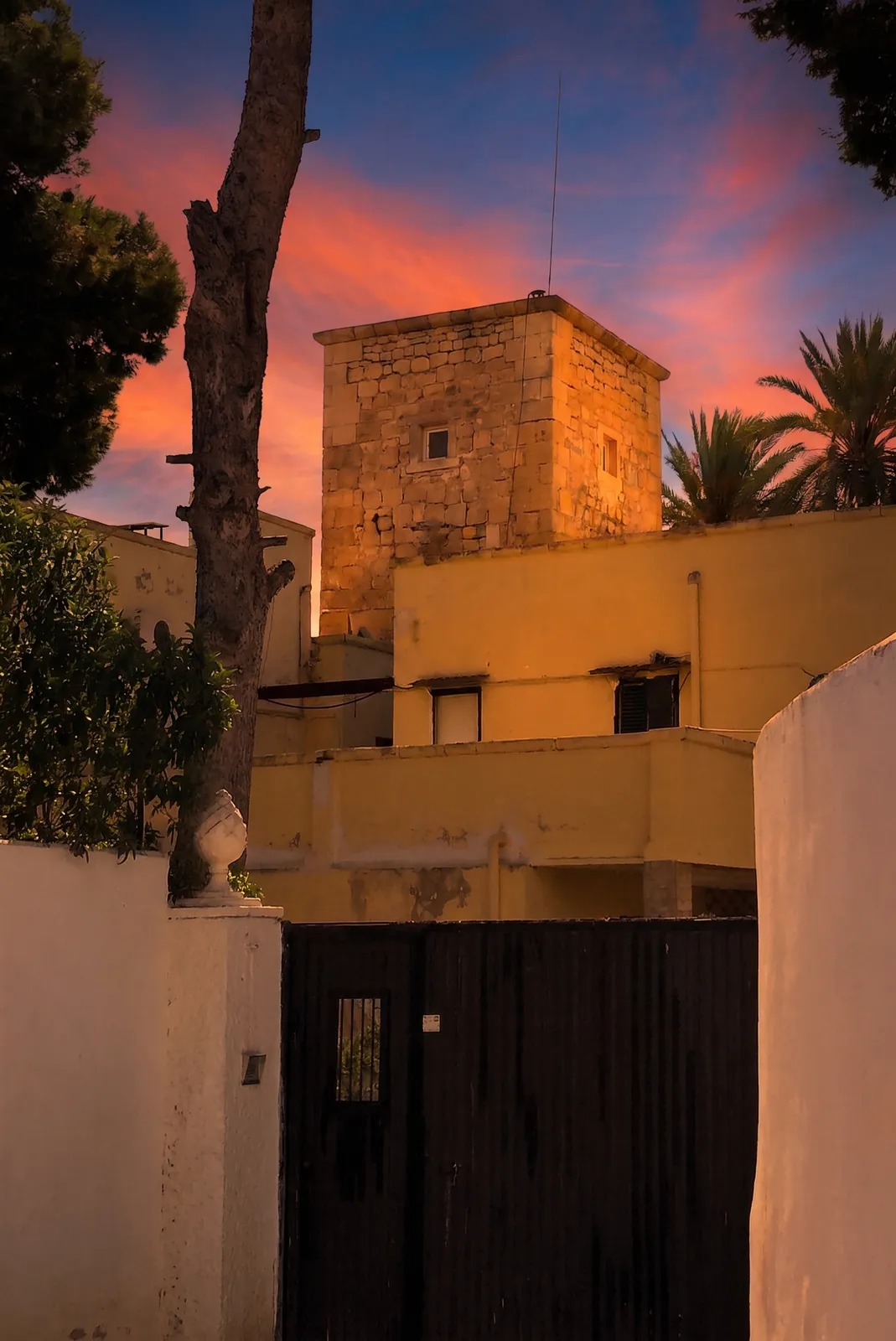
Torre Cacholí
Huerta de Sant Joan
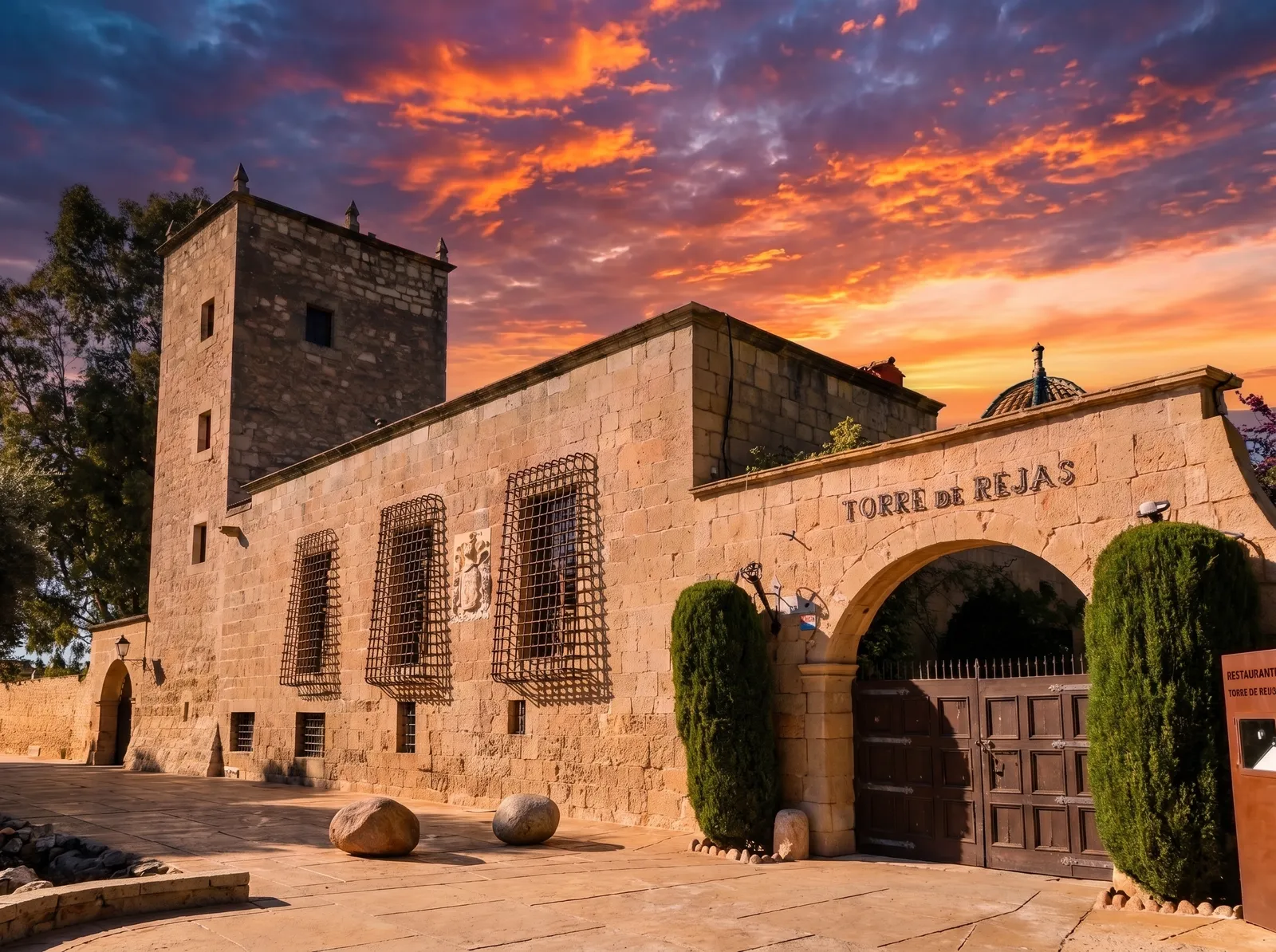
Torre de les Reixes
Partida de la Condomina
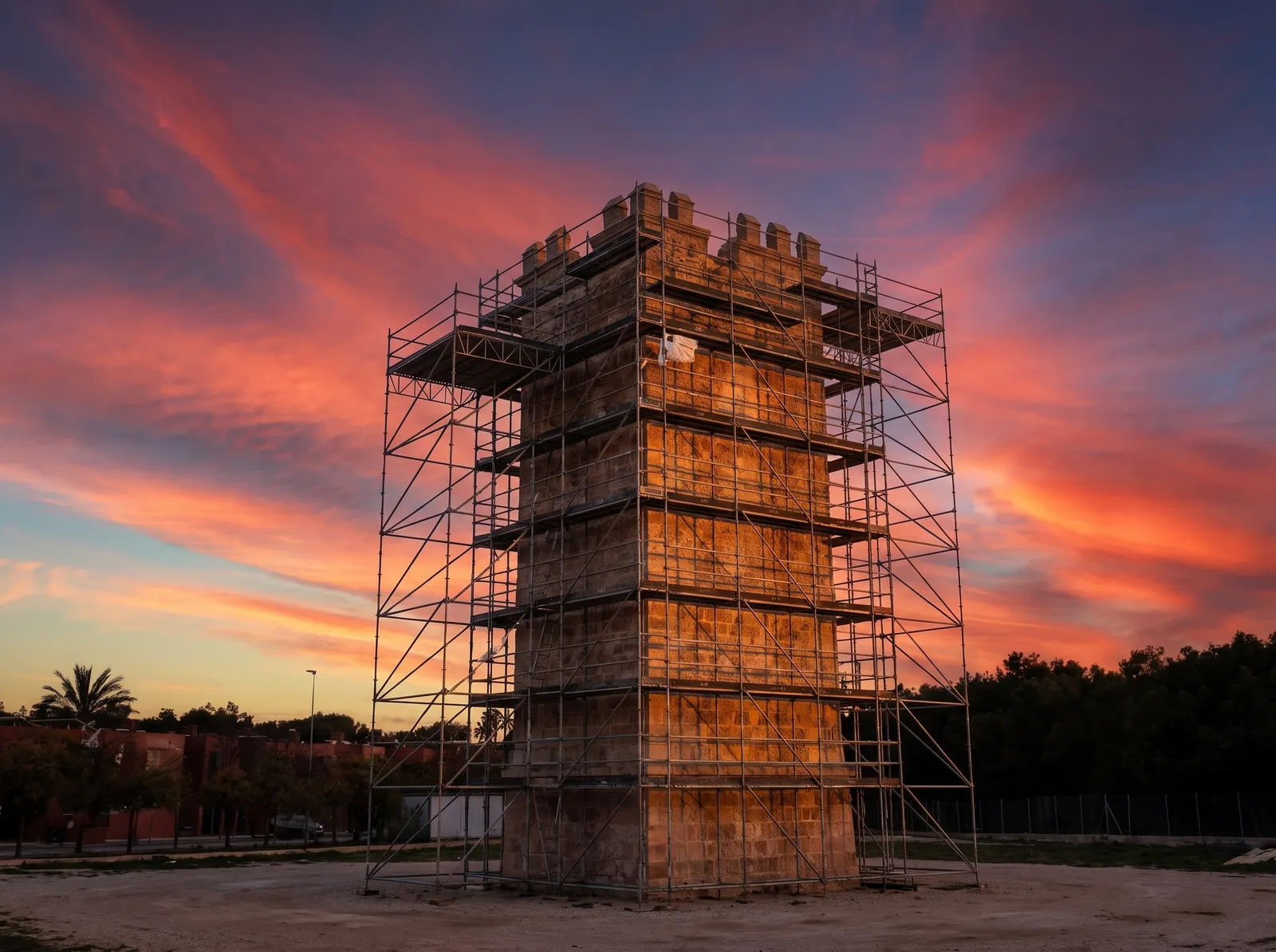
Torre Plàcia / Plácida
Partida de la Condomina
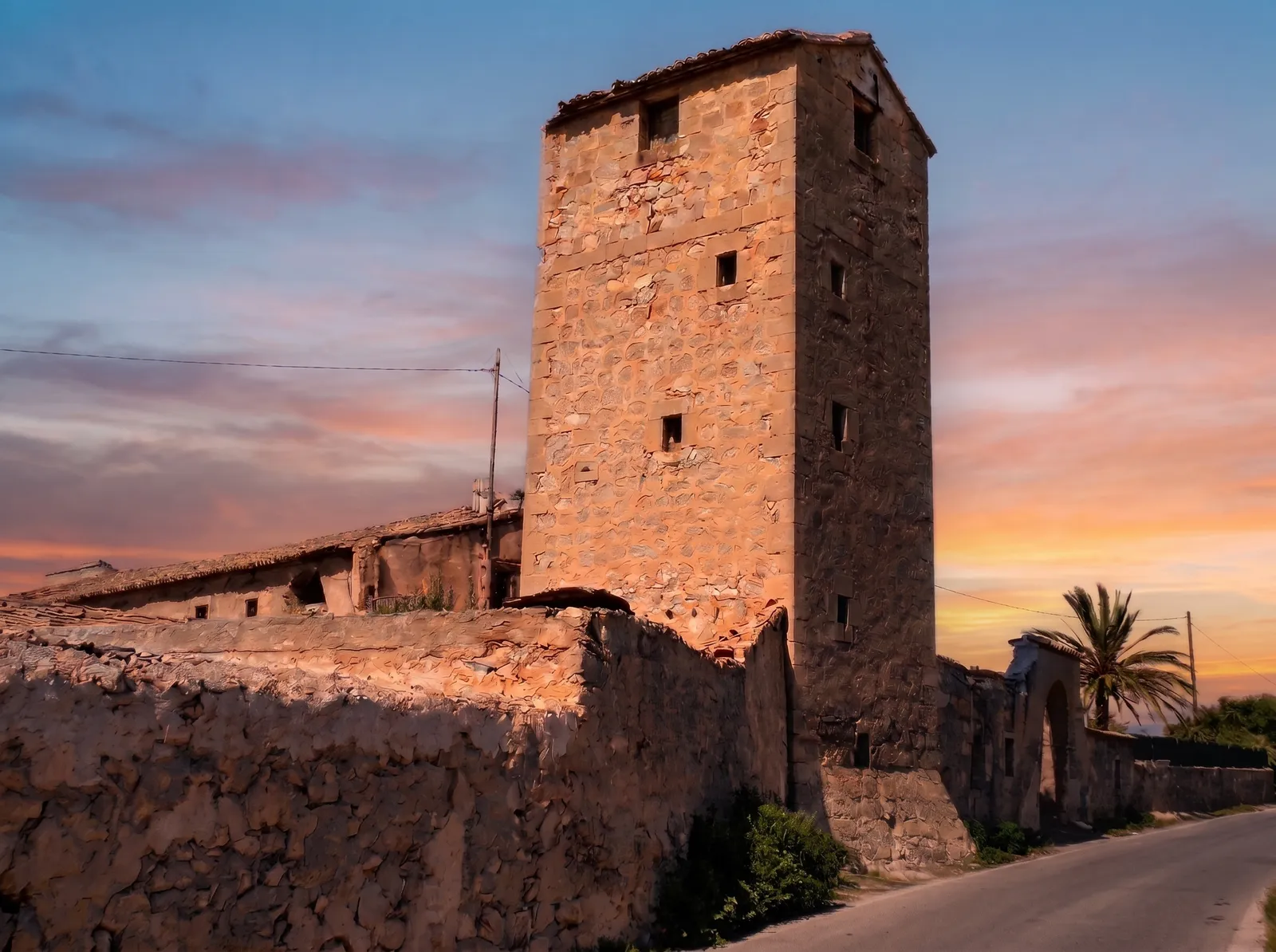
Torre Boter
Partida de la Condomina
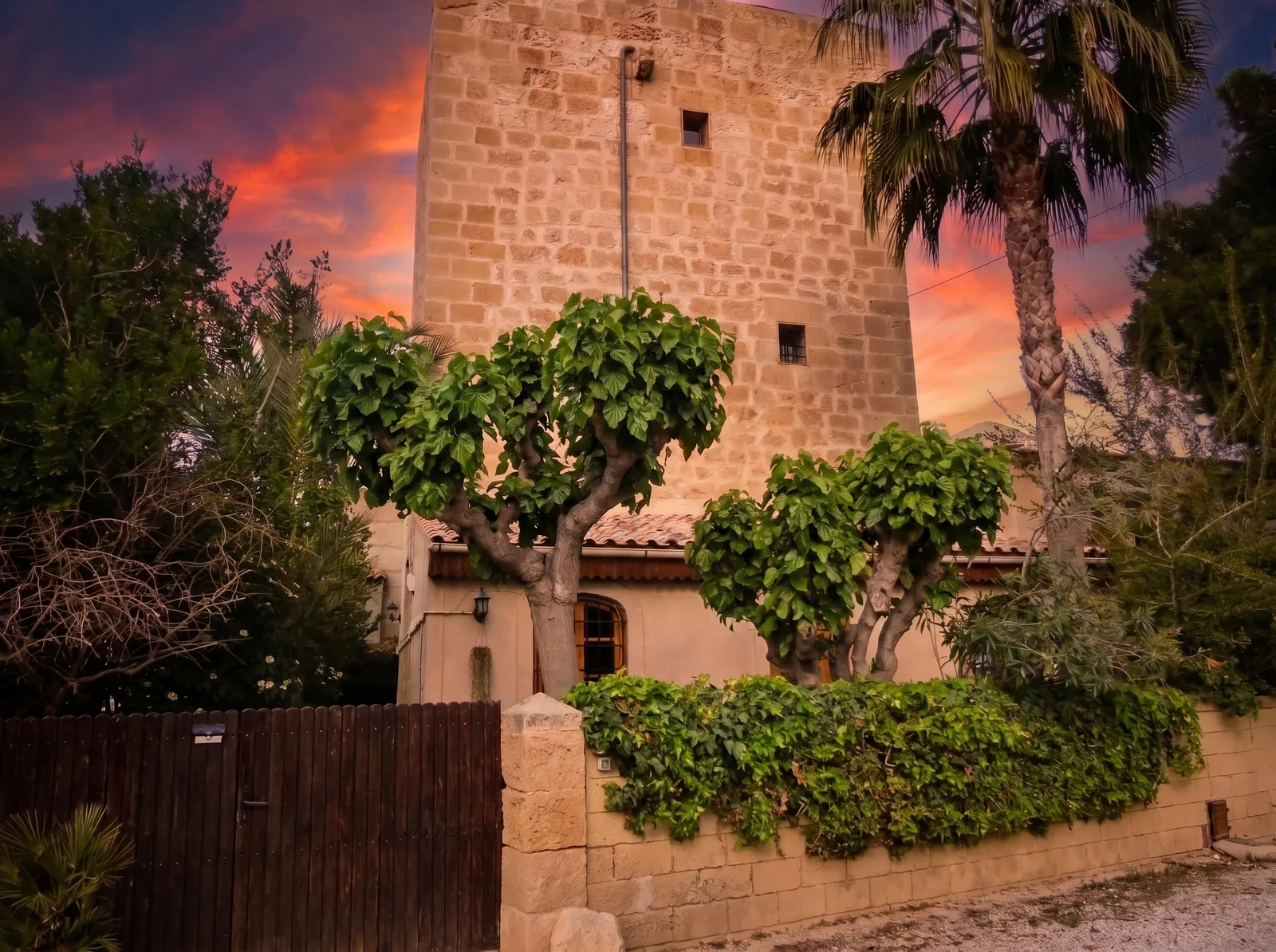
Torre Media Libra
Partida de la Condomina
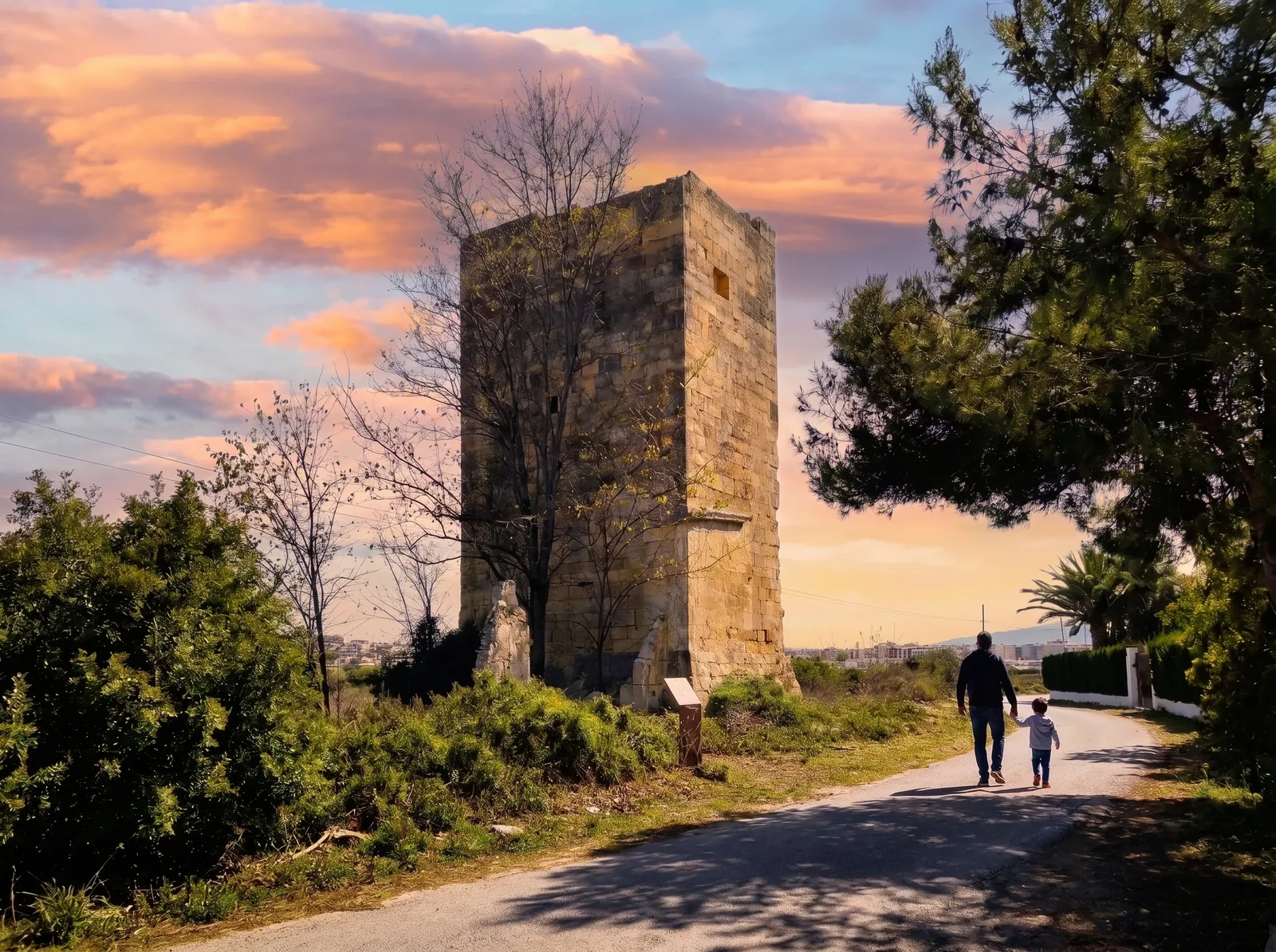
Torre El Ciprés
Partida Fabraquer
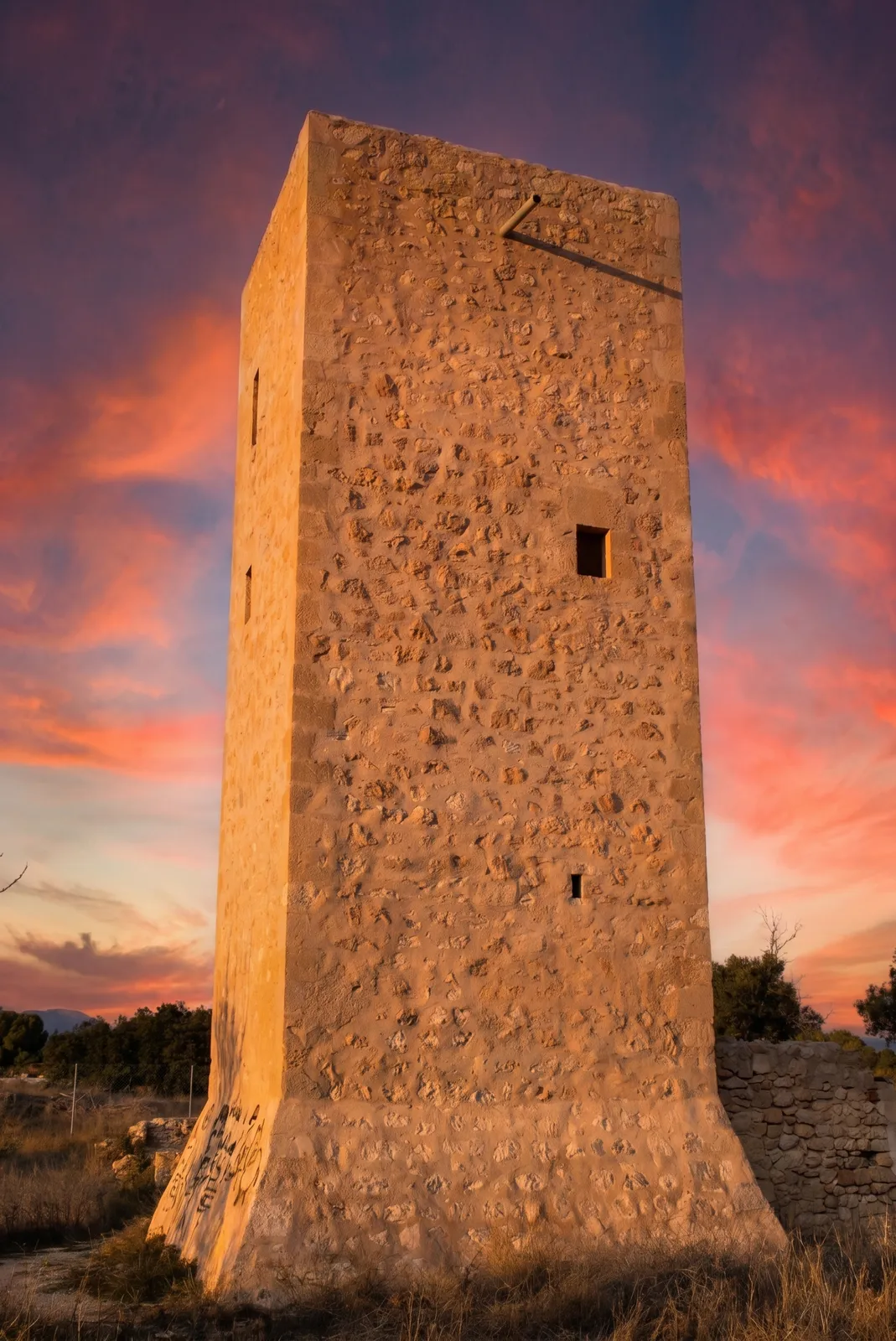
Torre del Conde
Partida de la Huerta
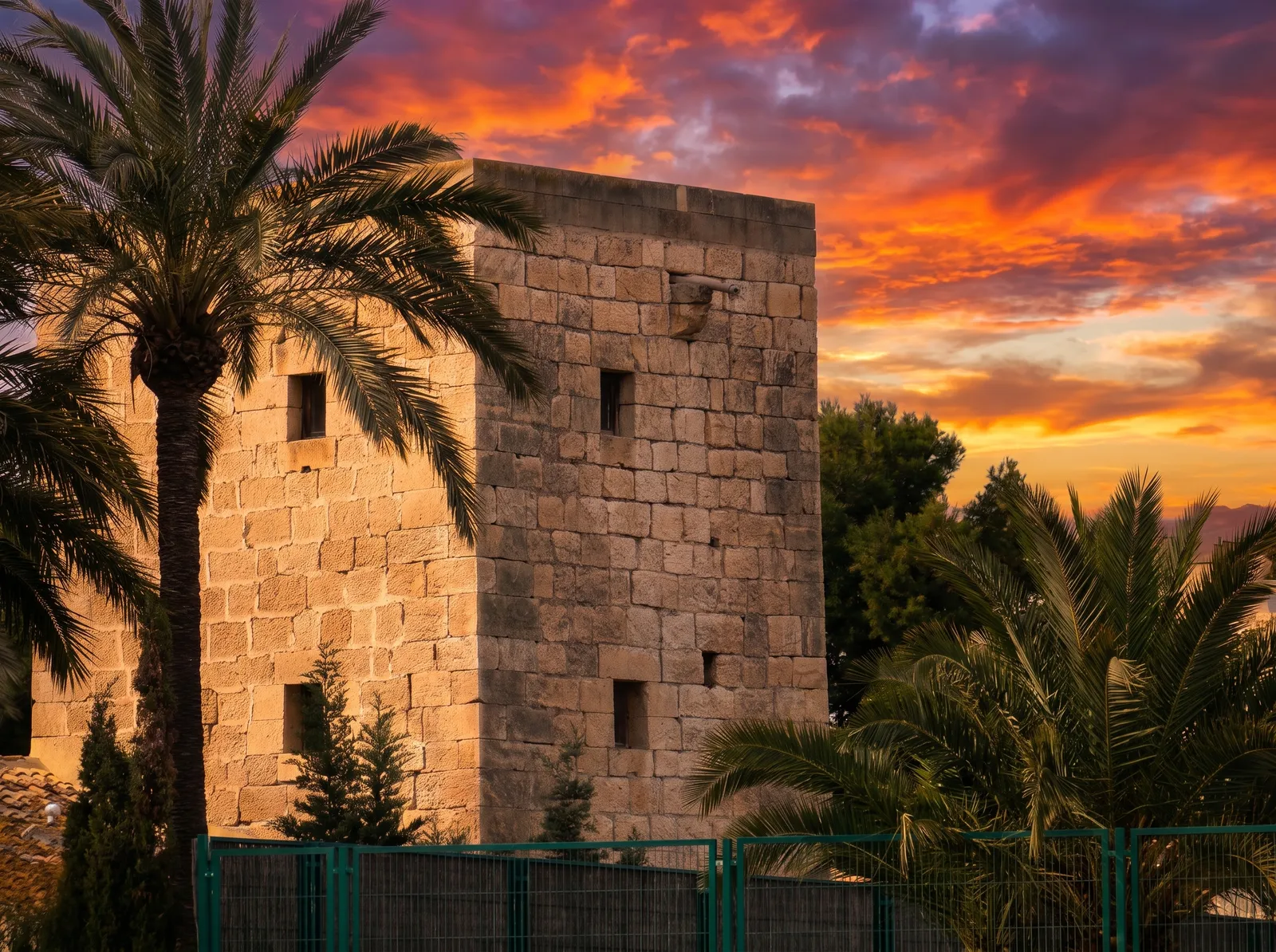
Torre Las Águilas
Partida Fabraquer
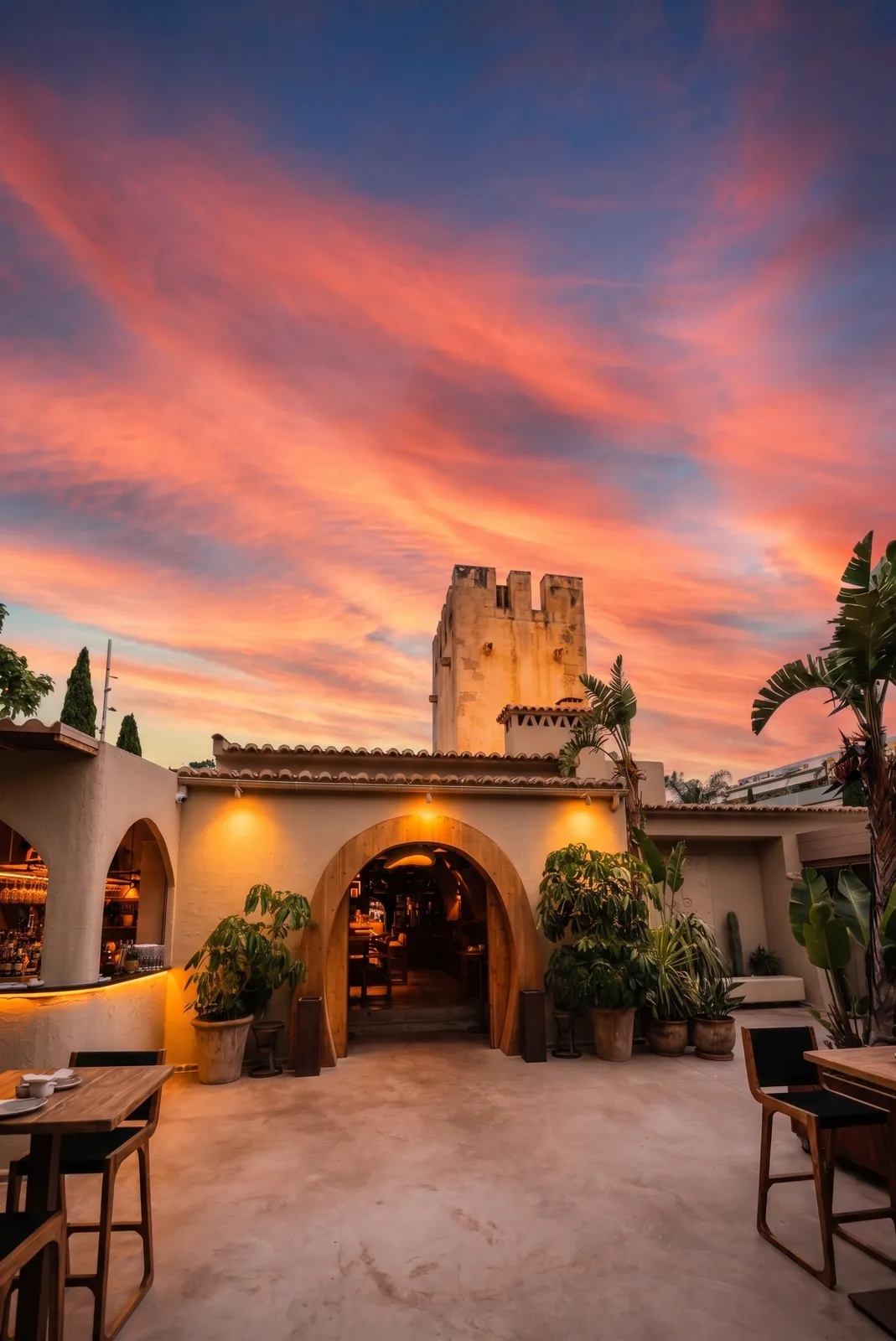
Torre Don García Mauro
Partida de la Condomina
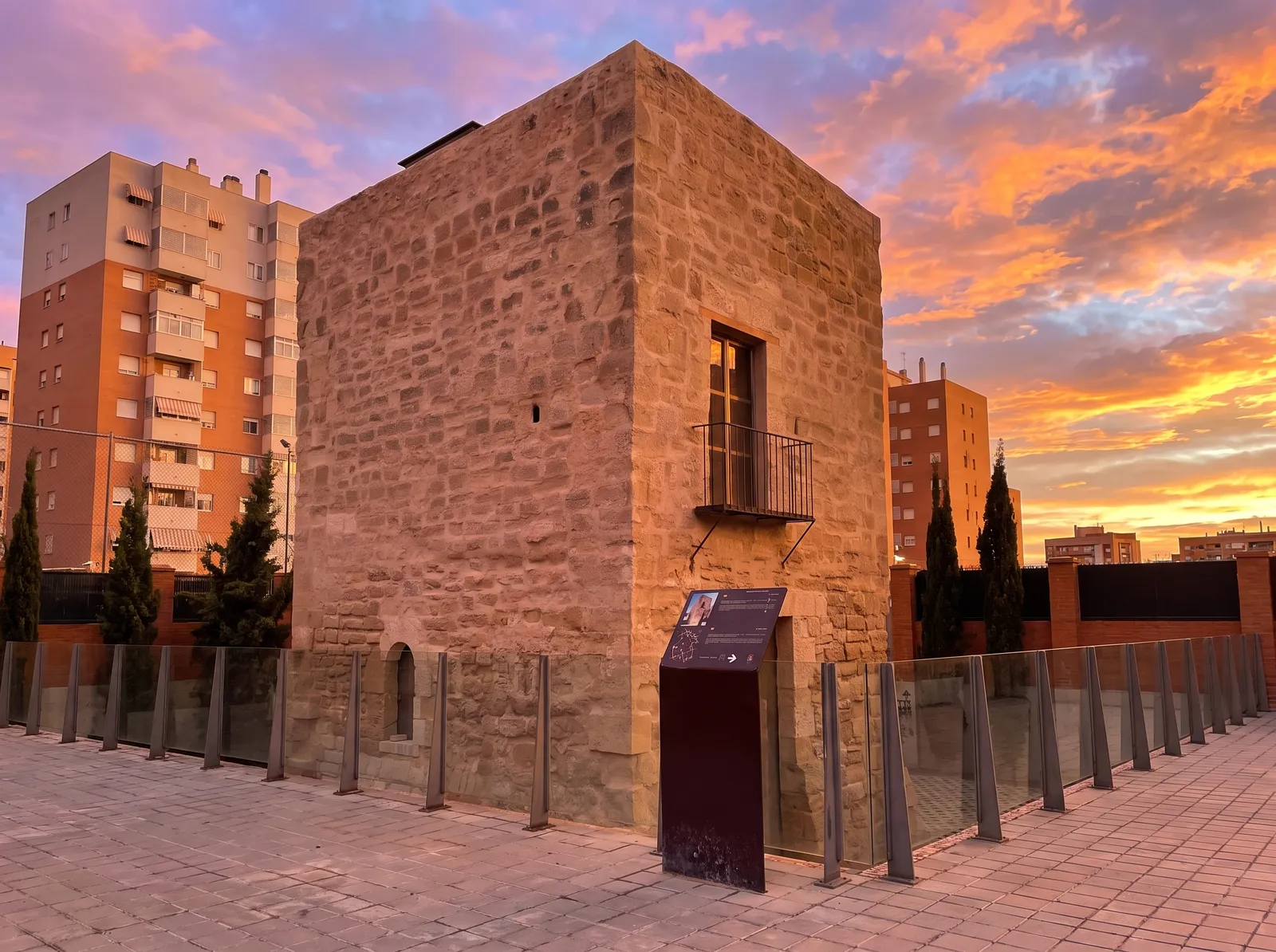
Torre Ferrer
Partida de la Condomina
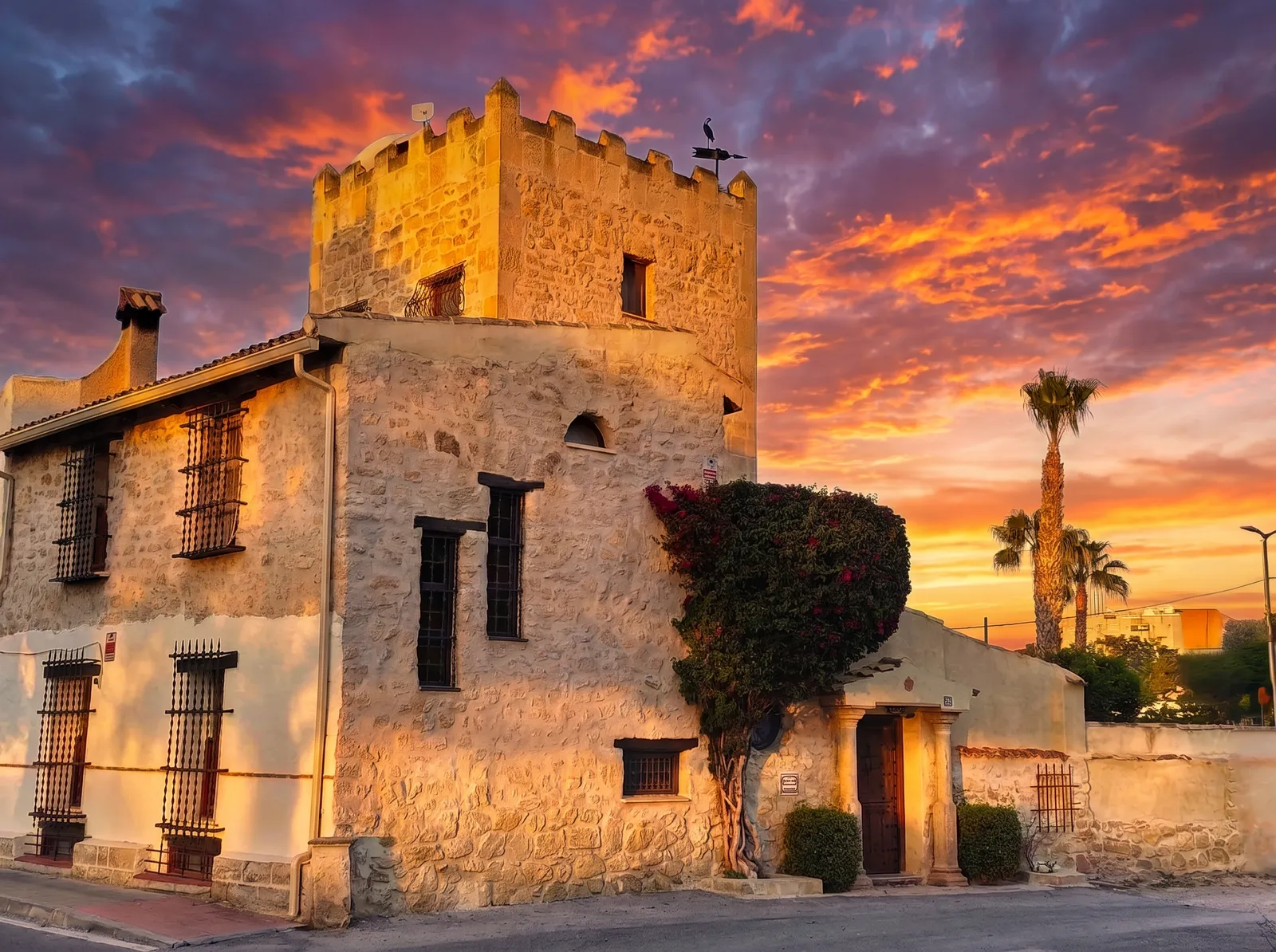
Torre Santiago
Partida de la Condomina
ℹ️ Transparencia & Procedencia:Artistic and visual recreations of the 20 orchard watchtowers at sunset created with digital technology and C2PA provenance certification for cultural and educational dissemination (Art. 32 LPI).
The Huerta's defence towers on À Punt
Report by the Valencian public broadcaster À Punt on the defence towers of the Huerta of Alicante: their origin against Barbary corsairs, their role as watchtowers and refuges, and the condition of those still standing.
Report by the Valencian public broadcaster À Punt on the defence towers of the Huerta of Alicante: their origin against Barbary corsairs, their role as watchtowers and refuges, and the condition of those still standing.
If the video does not play, you can watch it directly on YouTube.
Smoke by day, fire by night
The towers communicated visually: smoke signals by day and bonfires on the roof terrace by night. When a coastal tower spotted an enemy vessel, the alarm was relayed along the chain of refuge towers across the orchard to Santa Bárbara Castle and the city of Alicante, triggering both a military response and civilian shelter.
Watchtower Alarm Network Simulator (1594)
How Barbary corsair warnings traveled and how farmers took refuge
Paso 0 / 4: Peace and Farming in the Huerta
T+00:00Farmers tend to irrigation canals and vineyards while sentinels watch the Mediterranean horizon.
Coastal Defense Ordinances (Kingdom of Valencia): Coastal watchtowers were cylindrical to withstand naval winds, whereas inland refuge towers were square with heavy stone taluses and battlements for sheltering farming families.
Three defensive typologies
Watch
Close to the coastline. Their mission was to spot hostile vessels and raise the alarm via fire, smoke or bells.
Refuge
Inland, adjoining farmhouses. They sheltered the rural population during swift corsair raids.
Defence
Adjacent to populated settlements or annexed to manorial residences. Battlements, embrasures and machicolations allowed defenders to resist assault.
Manorial home and farmer's refuge
Every tower was tied to a productive agricultural estate: vineyards, fruit trees and cereal crops. Many gave birth to the renowned Fondillón wine, an oxidative aged red made from overripe Monastrell grapes and an enduring symbol of Alicante's orchard.
The tower served a dual purpose: a seasonal residence for the landowner — who came from the city to oversee estate operations — and, in emergencies, a fortified refuge for surrounding farmhands. The adjoining house was occupied during harvest; the tower was barred from within when smoke signaled corsairs.
Torre Santiago
Just steps from Torre Sarrió, in the heart of the Albufereta district, stands Torre Santiago, one of the most distinctive fortifications in the Alicante orchard defensive network. Built between the 16th and 17th centuries, it shares the same freestanding square-prism typology as its neighbor, but holds a unique history of destruction and revival.
For centuries it formed part of the visual warning chain against Barbary corsair raids: its sentinels guarded the coastline while the surrounding estate produced wine and grain. Unlike towers that survived through continuous use, Torre Santiago fell into severe ruin during the 20th century: barely the dressed-stone quoins of three corners remained standing like isolated pillars, while the fourth had collapsed. Its purchase for rescue and reconstruction took place in the early 1980s, concluding around 1990 when it was reoccupied as a private family home respectful of its historic heritage.
Its careful restoration brought back the dignity of its masonry and ashlar walls, its ground floor and three upper levels, and a terrace that once again surveys the orchard landscape. One feature intrigues visitors and researchers alike: its basement conceals a walled-off subterranean tunnel that local tradition links directly to neighboring Torre Sarrió, evidence of strategic coordination between both estates in times of peril.
Today, Torre Santiago stands as an essential monument for understanding the defensive architecture of the Camp d'Alacant and the daily life of an orchard that had to fortify itself to safeguard its agricultural wealth.
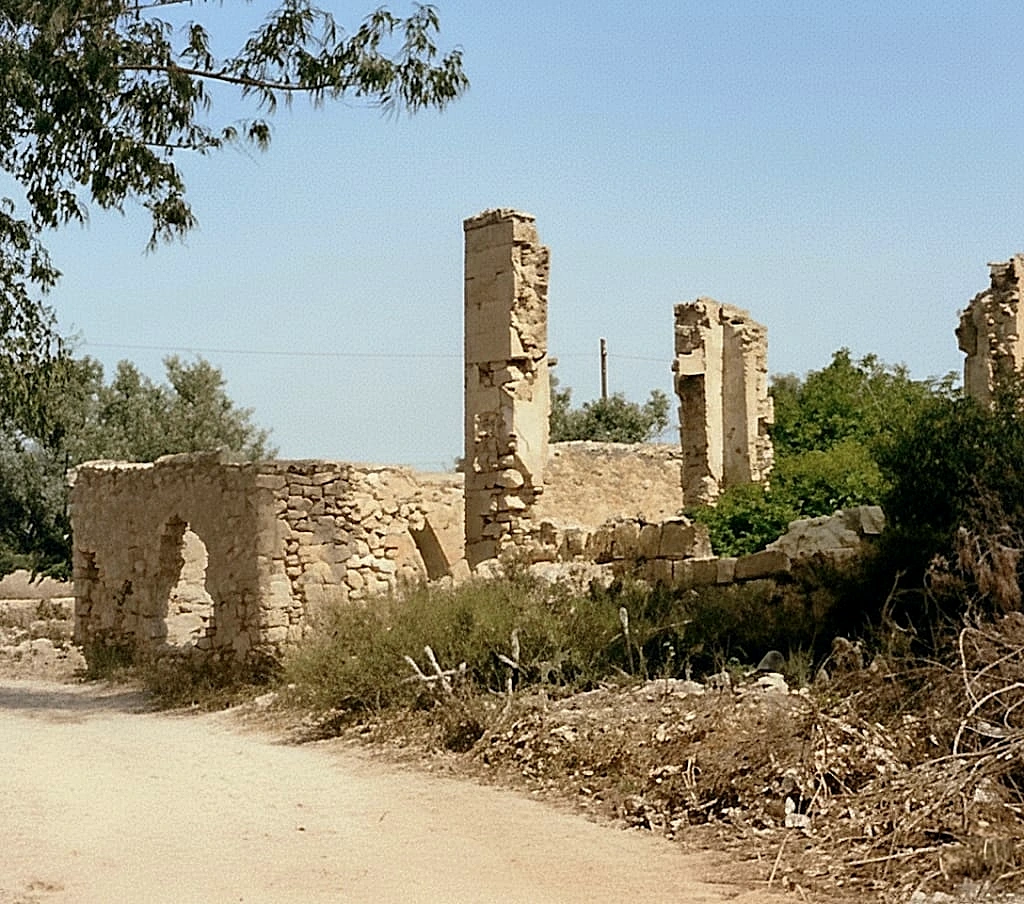
Historical photograph (c. 1980): ruined state of Torre Santiago prior to its purchase in the early 1980s and reconstruction completed around 1990 as a family home (Source: Private Archive / Restoration records).
Documentary on the history of Torre Santiago. If the video does not play, you can watch it directly on YouTube.
Catalogue by district
La Condomina district
- ◆Torre Plasía (16th–17th c.)
- ◆Torre El Ciprés (1661)
- ◆Torre Media Libra (16th–17th c.)
- ◆Torre de Rejas (16th c.)
- ◆Torre Boter (16th–17th c.)
- ◆Torre Bosch (16th c.)
- ◆Torre Juana (17th–18th c.)
- ◆Torre Nicolau or Alameda (16th c.)
- ◆Torre Villagarcía or Boacio (17th c.)
- ◆Torre Soto (17th–18th c.)
- ◆Torre Cacholí (17th–18th c.)
- ◆Torre del Conde (16th c.)
- ◆Torre de Don García · Torre Mauro · Torre Castillo de Ansaldo (16th c.)
Albufereta district
- ◆Torre Águilas (16th–17th c.)
- ◆Torre Santiago (16th–17th c.)
- ◆Torre Ansaldo or Castellet (16th–17th c.)
- ◆Torre Ferrer (16th–17th c.)
- ◆Torre Sarrió (1594) · this tower
- ◆Torre del Cap de l'Alcodrà · Cabo de la Huerta (16th c., lost)
Santa Faz district
- ◆Torre de Santa Faz (16th c.)
Sant Joan d'Alacant
- ◆Torre Salafranca (16th c.)
- ◆Torre Bonanza (16th c.)
- ◆Torre La Cadena (17th c.)
- ◆Torre Ansaldo · Finca Ansaldo (15th–16th c.)
Mutxamel
- ◆Torre de les Paulines (16th c.)
- ◆Torre Ferraz (16th–17th c.)
- ◆Bell-tower of the Parish of El Salvador (16th c.)
El Campello
- ◆Torre de la Illeta dels Banyets (16th c.)
- ◆Torre del Barranc d'Aigües · Coveta Fumà (16th c.)
Source: Topoguide of the Watchtowers of the Huerta (Alicante City Hall, 2013) and Wikipedia — Defensive towers (Huerta of Alicante).